
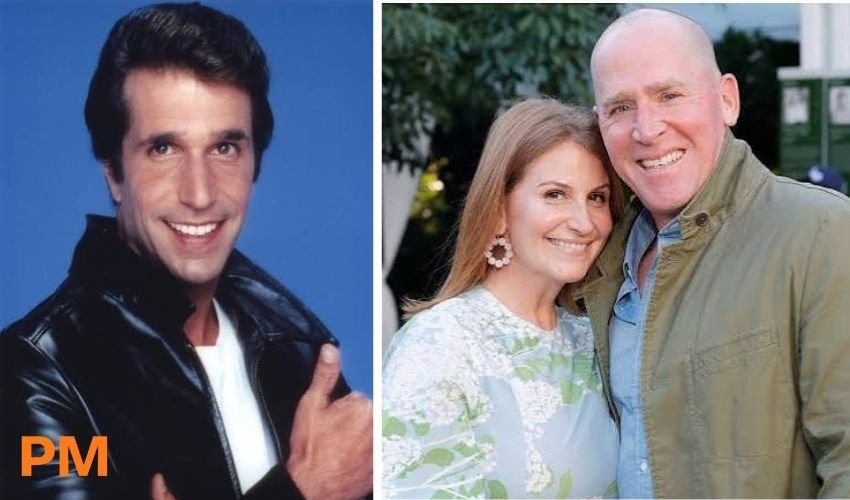
Zoe Emily Winkler is often searched because of her famous father, Henry Winkler. Many people know Henry Winkler as the actor who played Fonzie on Happy Days. But Zoe’s story is not only about being the daughter of a star. Her story is also about identity, family, privacy, and finding her own way.
Public reports often identify her as Zoe Winkler Reinis, and she has built a life that connects family values with real service. People know her family name first, but there is more to her life than a famous last name. That is what makes this topic useful for readers who want more than a simple celebrity-child profile.
A Famous Last Name Can Feel Heavy
For many people, a famous last name may sound like a gift. It can open doors. It can bring attention. It can make people curious. But it can also feel heavy. Zoe Emily Winkler grew up with a name that many people knew before they knew her. Her father was not just an actor. He was a beloved TV figure. Fans felt close to him because of his role on Happy Days. That kind of fame does not stay at work. It follows a family into public places, schools, events, and even normal days. For a child, that can be hard to fully understand at first.
Zoe has shared that she did not always see her family life as strange. To her, Henry Winkler was her dad. He was not only a public figure. He was the person who drove her, cared for her, and lived family life with her. That is an important point. Children of stars do not always grow up thinking their homes are special. They may see their family as normal because it is the only life they know. Later, when they step into the wider world, they may see how different their life really was. Zoe’s college story shows this moment clearly.
The College Moment That Changed Her View
People reported that Zoe wanted to feel “anonymous” when she went to the University of Wisconsin-Madison. She picked a large school because she wanted space to be herself. But during parents weekend, the Happy Days theme song played when her parents came to a football game. That moment made it clear that her father’s fame had followed her there too. It was not cruel. It was not a scandal. But it was a strong personal moment. It showed that even when she wanted to blend in, people still saw the famous family name first.
This makes Zoe Emily Winkler’s story easy to understand for many readers. Most people do not have famous parents, but many people know what it feels like to be labeled before being known. Some people are known because of their family, school, job, money, town, or past. They want to be seen as themselves. Zoe’s college experience turns a celebrity story into a human story. It is not only about Hollywood. It is about the simple wish to be known for who you are, not only where you come from.
Growing Up With Henry Winkler’s Fame
Henry Winkler became loved by many fans because of his work as Arthur “Fonzie” Fonzarelli on Happy Days. That role made him part of TV history. Fans did not only watch him. Many felt joy from him. This is why people would stop the family in public. Zoe has said that people would often come up to her father. For a child, that could feel like an interruption. A walk, a meal, or a simple family moment could turn into a fan moment. Still, Henry helped her see those moments in a different way.
The lesson was simple. Fans mattered. Their love helped create the life and chances the family had. That idea seems to have stayed with Zoe. It taught her that attention can be handled with thanks. It also showed her that fame is not only about being seen. Fame brings duty too. When people care about you, you can treat them with kindness. This lesson matters because it helps explain her later life. Zoe Emily Winkler did not only grow up near fame. She grew up watching how fame could be used with care.
A Normal Family Inside a Public Life
One strong part of Zoe’s story is the mix of public fame and normal home life. People may think a Hollywood family lives in a very strange way every day. But Zoe has described many normal parts of her childhood. Family meals, school drives, and house rules were part of her life. These details matter because they make the story feel real. Her father was famous to the world, but he was still a parent at home. That contrast gives the article its heart.
This is also why the story should not be written like gossip. Zoe Emily Winkler’s life is not valuable because of private drama. It is valuable because it shows a real family balance. On one side, there was fame, fans, and public attention. On the other side, there was home, care, and daily routine. That mix shaped how she saw the world. It may also explain why she later cared so much about family support, children, and helping people who face hard times.
Why Privacy Became Important
Privacy can mean more when a person grows up around fame. For Zoe Emily Winkler, privacy was not just about hiding. It was about space. It was about being able to learn, grow, and make mistakes without being watched by strangers. Many children of famous people face this problem. People may think they know them because they know the parent. But knowing a famous parent is not the same as knowing the child. A child still needs room to become a full person.
This is where the article becomes more than a profile. It can speak to readers who feel trapped by other people’s ideas. Zoe’s story shows that identity takes time. You can respect your family and still want your own path. You can love your parents and still need your own name. You can be thankful for your background and still want people to see your own work. This balance is what makes the angle strong and fresh.
Her Own Path Started With Children
Before her nonprofit work became more public, Zoe Winkler Reinis worked with children. DuJour reported that she was a preschool teacher for a decade. The same report said she later worked as a therapeutic companion helping children with social and emotional growth. This part of her life is very important. It shows that her care for children was not just a public image. It was part of her real work before wider attention came.
Teaching young children takes patience. It also takes heart. A preschool teacher must listen, guide, calm, and help. Children at that age are still learning how to speak, share, feel, and trust. This kind of work can shape how a person sees the world. It can make big issues feel personal. When Zoe later learned more about families and children in pain at the border, her background with children likely made the issue feel close. This gives her story a clear line: from family life, to teaching, to service.
From Famous Daughter to Humanitarian Voice
Zoe Emily Winkler later became known for her work with This Is About Humanity. The group was founded in 2018 and focuses on separated and reunified families and children at the U.S.-Mexico border. Its work includes raising awareness, supporting legal services, helping with shelter needs, and backing projects that serve families and children. This makes Zoe’s public role different from many celebrity-family stories. She did not only stay in the shadow of fame. She helped build a cause.
This is a surprising benefit of growing up near fame. Fame can be hard. It can take away privacy. It can make normal life feel less simple. But it can also teach a person how attention works. Zoe saw attention up close for years. Later, she could help turn attention toward people who needed help. This does not erase the hard parts of growing up with a famous name. But it does show how a difficult thing can become useful when used with purpose.
The Family Lesson of Giving Back
People reported that Zoe connected her work to the giving-back culture she saw at home. She said her parents supported causes and helped start organizations while she was growing up. This matters because giving back was not new to her. It was part of the family model. Children often learn by watching. If they see parents treat service as normal, they may carry that idea into adult life.
This makes Henry Winkler’s role in the article more meaningful. He is not only the famous father in the background. He is part of the value system that shaped Zoe. But the article should still keep Zoe at the center. Her father’s fame may explain why readers search for her. Her own choices explain why her story matters. That is the best way to write this topic. Use Henry Winkler as context, not as the full story.
Why This Story Feels Different
Many articles about children of famous people follow the same path. They ask who the parent is, what the child looks like, and whether the child entered Hollywood. That can feel shallow. Zoe Emily Winkler’s story offers something better. It asks a more useful question: What happens when a person grows up with fame but wants real identity? That question gives the article depth. It also keeps the tone respectful.
The answer is not simple. Fame gave Zoe a well-known name. It also made it harder for her to feel unknown when she wanted that. Fame brought fan love, but it also brought public attention into private life. Fame gave her a model of influence, but she still had to choose her own purpose. This tension makes the story strong. Readers can see both sides. They can understand the gift and the pressure at the same time.
The Power of Wanting to Be Seen as Yourself
The best part of this angle is the human feeling behind it. Zoe wanted to be seen as herself. That feeling is not rare. Many people want the same thing. A person may be known as someone’s child, spouse, sibling, worker, or student. But inside, they want their own story. Zoe Emily Winkler’s life shows that this need does not go away just because a family has success. In fact, fame may make that need stronger.
This is also why the college story is so useful for the article. It is small, but it says a lot. One song at a football game showed her that people still connected her to her father’s image. It was not a huge public event, but it was a personal turning point. A good article can use that moment as the opening scene. Then it can move into her childhood, family values, teaching work, and nonprofit path. That structure gives the reader a full story without filler.
A Better Way to Write About Celebrity Families
Writing about Zoe Emily Winkler should be done with care. She is connected to a famous person, but she is not just a side note in his life. The article should not invent private scenes or claim secret feelings. It should use public facts and simple meaning. It should explain what is known, and it should avoid what is not known. This is especially important for people who live partly outside the celebrity spotlight.
A strong article can say that public reports describe her as Henry Winkler’s daughter, a former teacher, a mother, and a co-founder of This Is About Humanity. It can say that she once wanted to feel anonymous in college. It can say that her father’s fame shaped her life in visible ways. It can also say that she built her own public work through service. These are safe and useful facts. They help readers learn without turning the article into gossip.
Her Story Is About Identity, Not Just Fame
Zoe Emily Winkler’s story works because it is really about identity. The famous last name is only the starting point. The deeper story is about how a person grows inside a name that other people already know. Some people may expect her to live a certain way because of Henry Winkler. But public details show a person who built a life around family, children, and service. That is a much more useful story than simple fame.
Her path also shows that a public name can be used in a careful way. She did not need to reject her family name to become herself. She also did not need to live only inside it. She found a path where both things could be true. She could be Henry Winkler’s daughter and still be Zoe Winkler Reinis. She could come from a famous family and still build work with her own purpose. That balance is the heart of the article.
Final Thoughts
Zoe Emily Winkler grew up with a name many people knew before they knew her. That brought attention, questions, and moments when privacy was hard to keep. Her college story shows the simple wish to be anonymous, even when a famous family name makes that hard. But her life also shows growth.
She moved from being known as Henry Winkler’s daughter to being known for her own work with children, family causes, and This Is About Humanity. This makes her story more than a celebrity-family article. It is a story about identity, service, and finding your own voice while still honoring where you came from.