
Fame can fill a theater and still leave a person lonely.
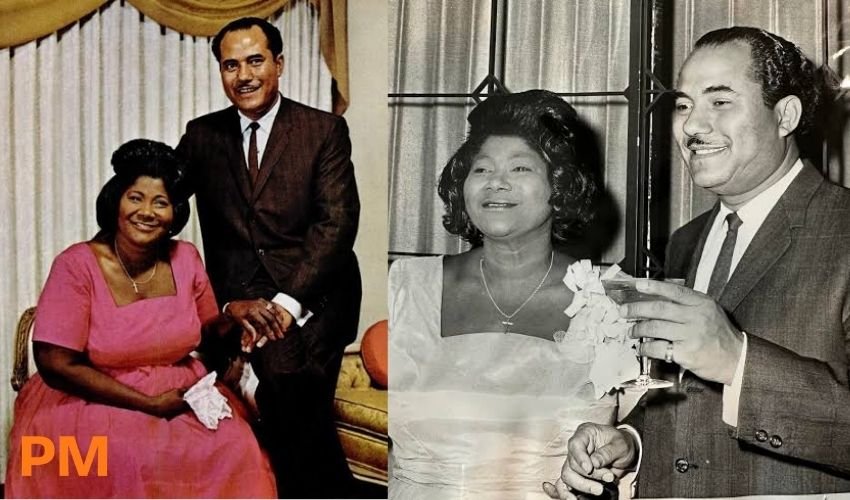
That is the emotional place where the story of Sigmond Galloway begins for many Mahalia Jackson fans. He was not the star on the stage. He was the man who entered her life when the Queen of Gospel was carrying more than applause.
The Name People Search After Mahalia Jackson
Most people do not search for Sigmond Galloway first.
They find his name after reading about Mahalia Jackson, the gospel giant whose voice moved churches, concert halls, presidents, and civil rights crowds. Encyclopedia.com describes Jackson as a major gospel figure whose career reached radio, film, awards, and historic live performances.
That is why Galloway’s story is different.
He is not remembered for a long public career of his own. He is mostly remembered because he became Mahalia Jackson’s second husband during one of the most demanding chapters of her life.
A Superstar With a Heavy Heart
By the early 1960s, Mahalia Jackson was already much more than a singer.
She had performed at Carnegie Hall, appeared on national television, toured widely, won Grammy recognition, and become closely tied to the civil rights movement. The Mahalia Jackson Compendium timeline places her at the White House in February 1963 and at the March on Washington in August 1963, where she sang before one of the most important speeches in American history.
That sounds glamorous from a distance.
But public greatness often comes with private exhaustion. Jackson was giving her voice to music, faith, politics, and people who needed hope.
That kind of life can inspire millions and drain one person at the same time.
Enter Sigmond “Minters” Galloway
The Mahalia Jackson Compendium timeline says Jackson met Sigmond “Minters” Galloway in 1963, the same year President John F. Kennedy was assassinated and the same year she sang at the March on Washington.
That timing matters.
She was not meeting him during a quiet season. She was meeting him during a year loaded with public history, national grief, civil rights pressure, and constant attention.
This is what makes the story feel human.
Galloway did not enter her life as a simple romantic side note. He entered during a time when Jackson’s public role was huge, but her private need for steadiness may also have been strong.
The Marriage That Came Quickly
Mahalia Jackson married Sigmond Galloway on July 2, 1964, in a small private ceremony, according to the Mahalia Jackson Compendium timeline.
The word “private” is important here.
Jackson’s voice was public property in the minds of many fans. Her songs belonged to churches, radio listeners, civil rights workers, and audiences across the world.
But marriage was supposed to be something else.
It was supposed to be a private shelter. It was supposed to be a place where the performer could stop performing.
For a woman so often expected to lift everyone else, that kind of private promise must have mattered.
The Queen of Gospel Was Still a Person
Mahalia Jackson’s public image was powerful.
She sang with spiritual authority. She stood beside major civil rights leaders. She became a symbol of dignity, faith, and emotional strength.
But symbols do not get tired. People do.
That is the deeper reason Sigmond Galloway’s name still pulls attention. His marriage to Jackson reminds readers that even the strongest public women can face loneliness, stress, and complicated personal choices.
A legend can still want love.
A voice that comforts millions can still need comfort in return.
Why Fans Still Care About This Chapter
Modern readers are drawn to the private lives of famous people, but not only because of gossip.
They want to understand the gap between the stage and the home. They want to know what happens when the applause ends.
With Mahalia Jackson, that gap feels even more powerful because her music carried so much pain, faith, and survival.
When people read about Sigmond Galloway, they are really asking a bigger question: who was beside Mahalia Jackson when she was no longer singing for the crowd?
That question is simple, but it cuts deep.
A Life Moving Too Fast
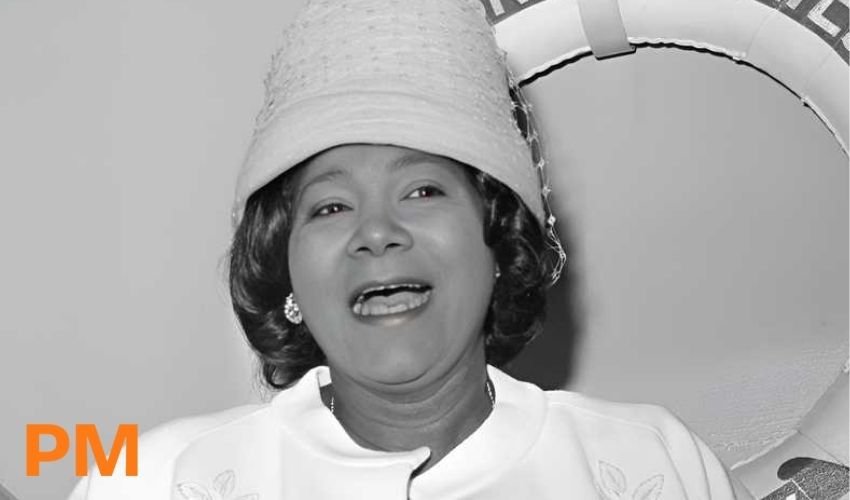
The months after Jackson’s marriage show how heavy her schedule and responsibilities were.
The Mahalia Jackson Compendium timeline says she suffered a heart attack in September 1964, only months after marrying Galloway, and links it to exhaustion from her civil rights work.
That detail changes the mood of the marriage story.
This was not a soft honeymoon chapter. This was a period of health fear, public work, travel, and pressure.
It also shows why any article about Sigmond Galloway should not be written like light celebrity trivia.
His name belongs to a serious moment in Jackson’s life.
The Pop Culture Lesson Behind the Marriage
Mahalia Jackson was not a pop star in the modern tabloid sense.
But her life still shows a pattern we see today. Fans often celebrate a public figure’s strength, then become shocked when that person’s private life is difficult.
That is not fair, but it is common.
Strong performers are often expected to be strong everywhere. If they sing through pain, people assume they can live through pain without help.
Jackson’s marriage to Galloway reminds us that public strength can hide private struggle.
That is why this story still feels modern.
The Gospel Industry Had Its Own Pressure
Gospel fame came with a special kind of pressure.
A secular singer could be messy, glamorous, rebellious, or mysterious. A gospel singer was often expected to be pure, steady, faithful, and emotionally available to the public.
That expectation can become a cage.
Mahalia Jackson had to carry her career, her image, her faith, and her public role in a movement. Her personal life was not just personal. It could be judged through the lens of religion, respectability, race, and gender.
That made marriage harder to discuss openly.
It also made pain harder to admit.
Sigmond Galloway as a Historical Footnote
Sigmond Galloway is often described in short lines.
Encyclopedia.com notes that Jackson married Sigmund Galloway, a musician, in 1964 and divorced him in 1967.
That is the basic record.
But a short record can still open a larger story. Galloway’s brief place in Jackson’s life shows how history often treats spouses of famous people.
Some become celebrities themselves. Others become footnotes.
Galloway belongs more to the second group.
His name appears because Mahalia Jackson’s life was so large that even a painful or short chapter becomes part of the public record.
A Troubled Ending
The marriage did not last.
The Mahalia Jackson Compendium timeline says Jackson’s divorce from Sigmond Galloway was finalized in April 1967.
Later reporting has described the marriage as troubled. The Guardian, in a 2022 article about Jackson’s legacy, summarized accounts that described her second marriage in painful terms and connected that pain to the feeling many listeners heard in her music.
That point should be handled with care.
The goal is not to turn Jackson’s pain into entertainment. The goal is to understand that her voice carried real life behind it.
When she sang about sorrow, endurance, and faith, those themes were not distant ideas. They were close to her own experience.
Why This Story Should Not Become Gossip
It is easy to make a famous marriage sound like a scandal.
That would be the wrong way to treat this story.
Mahalia Jackson’s life deserves more respect than gossip. Sigmond Galloway’s role should be explained through verified public details, not invented scenes or dramatic claims.
The better article is not “what really happened behind closed doors.”
The better article is about the cost of being a public source of strength while privately needing peace.
That angle gives the story meaning.
The Loneliness Behind the Spotlight
The most powerful part of this topic is loneliness.
Mahalia Jackson stood in front of crowds that loved her. She sang songs that made people cry, pray, march, and believe.
Still, fame does not remove human need.
It can even make loneliness sharper, because everyone sees the performer but few people see the tired person behind the performance.
Sigmond Galloway’s entrance into her life speaks to that hidden side of fame.
It shows that even a woman known for spiritual power could still reach for companionship.
The Timing Makes the Story Stronger
The timeline is what gives this article its emotional force.
In 1963, Jackson was part of a national civil rights moment. In 1964, she married Galloway. In September 1964, she suffered a heart attack. In 1967, the divorce was finalized.
That short stretch says a lot.
It was a period of love, pressure, illness, public duty, and personal breakage.
For readers, that timeline makes the marriage feel less like a random biography detail and more like a window into the human cost of Jackson’s work.
What Sigmond Galloway Represents
Sigmond Galloway represents more than one marriage.
He represents the people who stand near legends but remain unclear in the public story. He represents the private chapters that fans search for because they want to understand the whole person, not just the icon.
He also represents a hard truth about fame.
The people closest to a star can become part of the story, even if history does not give them a full story of their own.
That is why writers should be careful. Galloway should not be turned into a cartoon villain, a romantic hero, or a mystery man built from guesses.
He should be treated as a real person connected to a very real chapter in Mahalia Jackson’s life.
Why Mahalia Jackson’s Voice Still Wins
In the end, this story returns to Mahalia Jackson.
Her marriage to Sigmond Galloway was one chapter, not the whole book. Her larger legacy remains her music, her faith, her courage, and her role in American cultural history.
The Guardian notes her close connection to the civil rights movement and her presence at the March on Washington, where her voice became part of a defining public moment.
That is why readers still search for her life story.
They want the songs, but they also want the woman behind the songs.
They want the public victory and the private truth.
Final Thoughts
Sigmond Galloway is remembered because Mahalia Jackson’s life was unforgettable.
He entered her story at a time when she was famous, respected, busy, and deeply burdened. Their marriage was brief, but it sits inside one of the most intense periods of her life.
That is what makes the topic worth writing about.
This is not just a story about Mahalia Jackson’s second husband. It is a story about loneliness behind fame, pressure behind greatness, and the private life of a woman whose voice gave strength to millions.